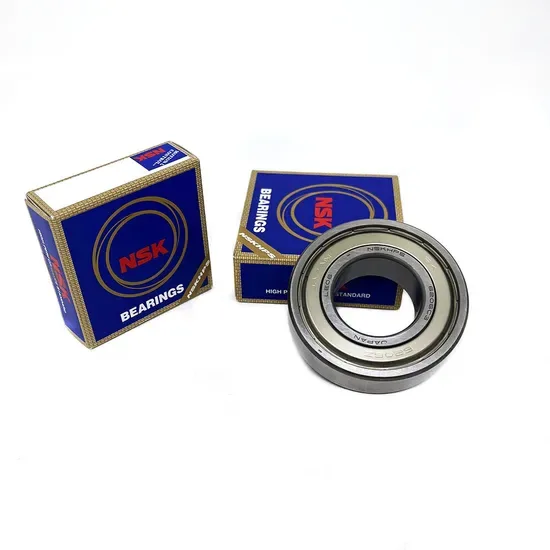
NSK HR32210J Tapered Roller Bearing Wholesale Supplier
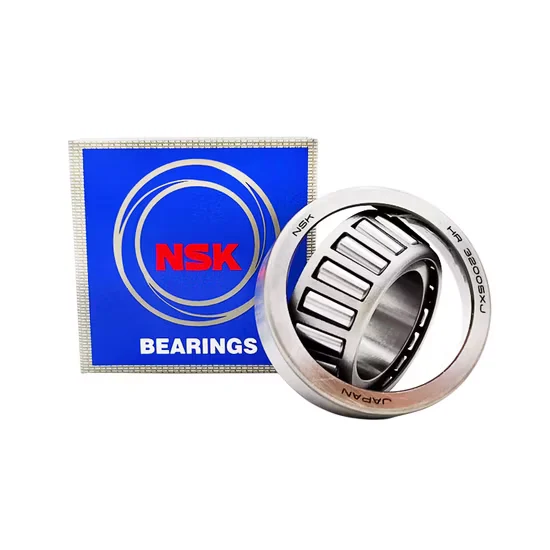
Standard clearance is not a universal default for high-temperature operations.
The core specifications for the NSK HR32210J include a bore diameter of 50 mm, an outside diameter of 90 mm, and a width of 24.75 mm, with dynamic and static load ratings that must be cross-referenced against actual shock loads rather than nominal motor power. Selecting this tapered roller bearing requires verifying internal clearance codes such as C3 or C4 when ambient temperatures exceed standard operating ranges to prevent thermal seizure.
Matching part numbers to purchase orders is the easiest part of the job. The hard part begins when the bearing arrives at the site and faces conditions the catalog never mentioned. I learned this early in my career while supplying components to industrial facilities in Southeast Asia. A plywood mill in Binh Duong ordered what they believed were standard replacements for their conveyor systems. The part numbers matched perfectly. The installation went smoothly. Yet within weeks, the shafts seized, halting production and causing significant downtime. The issue was not the brand or the basic dimensions. It was the assumption that standard internal clearance would suffice in an environment where ambient heat baked the grease and expanded the steel components. This experience shifted my focus from simply quoting prices to understanding the operational context before any transaction occurs. When clients now inquire about the NSK HR32210J specs, the conversation starts with lubrication types, load profiles, and temperature thresholds.
What Are the Core Dimensions of HR32210J?
Precise dimensional alignment is the foundation of reliable mechanical assembly.
The NSK HR32210J belongs to the ISO 355 series of tapered roller bearings. Its physical geometry is defined by three primary metrics: a bore diameter (d) of 50 mm, an outside diameter (D) of 90 mm, and a total width (B) of 24.75 mm. These dimensions are critical because even minor deviations can lead to misalignment, uneven load distribution, and premature fatigue.
When sourcing the NSK HR32210J, it is essential to confirm that the supplied units adhere to these exact measurements. In mixed-batch sourcing scenarios, where replacements are needed urgently, verifying these dimensions against the original equipment manufacturer’s drawings prevents installation errors. The taper angle and roller geometry are designed to handle combined radial and axial loads, but this capability is only effective if the bearing fits precisely within the housing and onto the shaft.
A common mistake in procurement is assuming that all bearings with similar part numbers share identical dimensional tolerances. While the basic dimensions may match, the precision class can vary. For high-speed or high-precision applications, ensuring the bearing meets the required tolerance class is vital. Our inventory management system tracks these specifications meticulously, allowing us to provide genuine products that meet the strict dimensional requirements of industrial machinery. This attention to detail ensures that when you order the NSK HR32210J, you receive components that fit correctly the first time, reducing the risk of rework and downtime.
How Do Load Ratings Dictate Real-World Survival?
Higher load ratings do not guarantee survival if lubrication fails under shock conditions.
The dynamic load rating (Cr) and static load rating (C0r) of the NSK HR32210J are key indicators of its capacity to withstand operational stresses. However, these ratings are based on standardized testing conditions that may not reflect the harsh realities of industrial environments.
In applications involving heavy shock loads, such as conveyor systems in mining or crushing operations, the actual loads experienced by the bearing can far exceed the nominal ratings. A European wind farm operator once faced repeated failures in their gearbox assemblies despite using bearings with adequate theoretical load ratings. The issue was not the rating itself but the nature of the loads. The sudden, intense shocks generated by wind gusts created stress peaks that the standard rating did not fully account for. By analyzing the load profile and selecting bearings with higher dynamic capacity or adjusting the maintenance schedule to account for these shocks, the operator significantly extended the service life of the equipment.
When evaluating the NSK HR32210J for your application, consider the following factors:
- Load Type: Determine whether the loads are primarily radial, axial, or combined.
- Shock Factor: Assess the frequency and intensity of shock loads.
- Lubrication: Ensure the lubricant can maintain film strength under high load conditions.
Our technical support team assists clients in mapping these real-world conditions to the appropriate load ratings. This approach ensures that the selected NSK HR32210J is not just a statistical match but a practical solution for the specific demands of the application.
Why Standard Clearance Fails in Hot Environments?
Thermal expansion alters internal clearance, turning standard bearings into seizure risks.
Internal clearance is the space between the rolling elements and the raceways. In standard conditions, a normal clearance (C0) is sufficient. However, in high-temperature environments, such as steel mills or paper manufacturing plants, the bearing components expand. If the initial clearance is too tight, this thermal expansion can eliminate the necessary space, leading to increased friction, heat generation, and eventual seizure.
I recall a case involving a cement plant in the Middle East. The ambient temperature inside the facility was consistently high, and the machinery operated under heavy loads. The maintenance team had been using standard clearance bearings, which failed frequently. Upon investigation, we recommended switching to bearings with C3 or C4 clearance. The increased internal space allowed for thermal expansion without compromising the rolling element movement. The result was a noticeable reduction in failures and extended maintenance intervals.
When selecting the NSK HR32210J for hot environments, consider the following:
- Ambient Temperature: Measure the operating temperature accurately.
- Heat Generation: Account for heat generated by friction and external sources.
- Clearance Code: Choose C3 or C4 clearance for high-temperature applications.
Our stock includes a wide range of clearance options for the NSK HR32210J, allowing us to provide the right specification for your specific environmental conditions. This flexibility ensures that your machinery operates reliably, even in the most challenging thermal environments.
Step-by-Step Selection Checklist for Harsh Conditions
Assess lubrication, load, and temperature before finalizing the part number.
Selecting the right bearing involves more than matching dimensions. It requires a holistic assessment of the operating conditions. Here is a step-by-step checklist to guide your selection process:
- Verify Dimensions: Confirm the bore, outside diameter, and width match your equipment requirements. Ensure the NSK HR32210J specs align with your housing and shaft designs.
- Analyze Load Profile: Determine the type and magnitude of loads. Consider shock loads and their frequency. Check the dynamic and static load ratings against these conditions.
- Evaluate Temperature: Measure the ambient and operating temperatures. If temperatures are high, select a bearing with appropriate internal clearance (C3 or C4).
- Check Lubrication: Ensure the lubricant is suitable for the load and temperature conditions. Verify that the lubrication method (grease or oil) is compatible with the bearing design.
- Confirm Clearance: Select the correct internal clearance code based on temperature and fit requirements. Standard clearance may not be suitable for all applications.
By following this checklist, you can avoid common pitfalls and ensure that the NSK HR32210J performs reliably in your application. Our team is available to assist with technical selection, providing guidance based on years of field experience and detailed product knowledge. This support helps you make informed decisions, reducing the risk of premature failures and unplanned downtime.
Conclusion
Reliability stems from matching specifications to operational reality, not just part numbers.
Selecting the NSK HR32210J requires a deep understanding of dimensions, load ratings, and environmental factors. By prioritizing these technical details over simple part number matching, you can ensure optimal performance and longevity for your machinery. Our commitment to providing genuine products and technical expertise supports your efforts to maintain efficient and reliable operations.
NSK Bearings Mentioned in This Article
Tapered Roller Bearings Genuine NSK Tapered Roller Bearing HR32207J HR32208J HR32209J HR32210J for Metallury  Self-Aligning Ball Bearings NSK 2217M Self Aligning Ball Bearing Genuine Wholesale Supplier
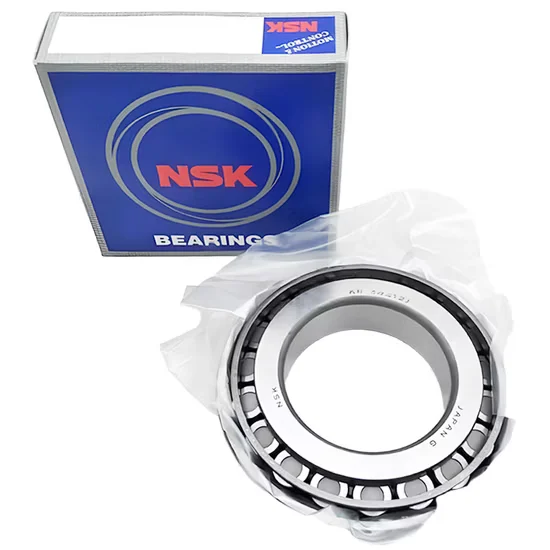 Tapered Roller Bearings Genuine NSK Tapered Roller Bearings 33205 33005 33108 32904 Wholesale Supplier
 Deep Groove Ball Bearings Genuine NSK 6211 Deep Groove Ball Bearing Wholesale Supplier
Any alternative is marked separately on the quote and requires buyer approval.