

Higher preload does not equal better rigidity in high-speed spindles.
Selecting genuine NSK ROBUST series bearings requires matching preload and lubrication to specific site conditions, not just copying standard specifications. This alignment prevents catastrophic spindle failures caused by thermal seizure or cage fragmentation in harsh industrial environments.
I still remember the acrid smell of burnt grease in a Nigerian refinery pump room. The client had sourced what they believed were premium components for a critical high-speed application, but the mix included non-standard preload units intended for different operating conditions. Within weeks, the excessive internal stress combined with high ambient dust led to complete cage fracture. The production line sat idle for half a month while engineers debated whether the failure was due to material defects or installation error. In reality, it was a mismatch between the bearing’s internal design and the site’s thermal profile. This incident underscores why sourcing NSK ROBUST Series bearings demands more than just checking part numbers; it requires a deep understanding of how pre-load, lubrication, and environmental factors interact under load.
For MRO operators and regional distributors, the challenge lies in verifying authenticity and selecting the correct specs for mixed-batch project orders. As a NSK ROBUST Series bearings supplier, we see too many projects fail because buyers treat these components as generic replacements rather than precision-engineered systems.
What Makes NSK ROBUST Series Unique for High-Speed Spindles?
The ROBUST series is not just a faster bearing; it is a thermally optimized system.
Many buyers assume that any angular contact ball bearing can handle high RPMs if it is labeled as “precision.” However, the NSK ROBUST Series bearings are engineered with proprietary materials and internal designs specifically to minimize heat generation at high speeds. This distinction is critical when operating in environments where cooling capacity is limited or where dust infiltration is a constant threat.
The core advantage lies in the optimized internal geometry. Standard bearings may generate excessive friction heat as speed increases, leading to thermal expansion that alters the preload and eventually causes seizure. The ROBUST design mitigates this by ensuring stable contact angles and reduced friction coefficients even under extreme dmN values.
| Feature | Standard Precision Bearing | NSK ROBUST Series Design |
|---|---|---|
| Heat Generation | Moderate to High at high RPM | Optimized for low heat rise |
| Material Purity | Standard bearing steel | Proprietary clean steel technology |
| Cage Design | Standard polymer or brass | Optimized for high-speed stability |
| Thermal Stability | Vulnerable to rapid temp spikes | Robust against thermal deformation |
In a recent retrofit project for a CNC manufacturer in Southeast Asia, the initial setup used standard precision bearings that could not handle the sustained high RPMs. The spindles experienced frequent thermal seizures, causing significant downtime. After switching to the correct ROBUST series configuration with appropriate lubrication, the operating temperature dropped noticeably, and the machine ran substantially longer without intervention. This shift highlights why relying on a knowledgeable NSK ROBUST Series bearings supplier is essential for avoiding costly trial-and-error phases.
How to Choose the Right Preload and Contact Angle?
Excessive preload in hot or dusty sites causes rapid thermal failure, not improved performance.
A common misconception among procurement teams is that higher preload always translates to better rigidity. While this holds true for static or low-speed applications, it becomes detrimental in high-speed spindle operations. The NSK super precision angular contact ball bearings come in various preload classes and contact angles (such as BTR, BAR, BNR, and BER series), each suited for specific axial load and speed requirements.
Selecting the wrong combination can lead to premature fatigue or immediate seizure. For instance, a light preload might be sufficient for high-speed machining where thermal expansion is a concern, whereas a medium preload might be necessary for heavy-cutting applications requiring higher stiffness.
| Application Scenario | Recommended Preload Level | Contact Angle Consideration |
|---|---|---|
| High-Speed Grinding | Light to Medium | Smaller angle for lower axial load |
| Heavy Milling | Medium to Heavy | Larger angle for higher axial capacity |
| Mixed Load Operations | Custom Matched Set | Balanced angle for combined loads |
When sourcing from a NSK ROBUST Series bearings supplier, it is crucial to provide detailed operational data, including maximum RPM, axial and radial load ratios, and ambient temperature ranges. A batch of mixed fake and genuine bearings supplied to a LatAm lathe OEM resulted in severe vibration spikes because the preload consistency was nonexistent across the set. After replacing them with verified full sets from a trusted source, the vibration levels reduced dramatically, restoring the machine’s precision. This case illustrates that consistency in preload is just as important as the absolute value.
Why Do ROBUST Bearings Fail in Harsh Environments?
Incorrect lubrication and poor sealing are the primary drivers of cage fragmentation.
Even the most advanced ROBUST series high rigidity bearings will fail if the lubrication strategy does not match the operating environment. In dusty or humid conditions, such as those found in mining or heavy manufacturing plants, standard grease can degrade rapidly, leading to metal-to-metal contact and eventual cage failure.
The failure mode often begins with subtle changes in noise or vibration, which are frequently ignored until catastrophic seizure occurs. In the African mining pump case mentioned earlier, the use of non-standard preload combined with inadequate sealing allowed dust ingress. The resulting abrasion compromised the lubricant film, leading to cage fracture.
To prevent such failures, it is essential to select lubricants that offer high thermal stability and resistance to washout. Additionally, the mounting procedure must ensure that seals are correctly installed and that the housing provides adequate protection against contaminants. A machine tool spindle bearings supplier should provide guidance on compatible lubricants and sealing solutions tailored to the specific site conditions.
| Environmental Factor | Risk to Bearing | Mitigation Strategy |
|---|---|---|
| High Dust/Particulates | Abrasive wear, seal damage | Enhanced sealing, frequent relubrication |
| High Humidity | Corrosion, lubricant washout | Corrosion-resistant grease, stainless variants |
| Extreme Temperatures | Lubricant breakdown, thermal expansion | High-temp grease, controlled preload |
We have seen numerous cases where end-users attempted to cut costs by using generic lubricants, only to face expensive repairs later. Proper selection of lubrication and sealing is not an optional extra; it is a fundamental part of the bearing system’s integrity.
How to Verify Authenticity When Sourcing Globally?
Demand full traceability documentation and avoid mixed-brand pallets for precision grades.
The global market for precision bearings is flooded with counterfeits and refurbished units sold as new. For MRO operators and distributors, verifying the authenticity of NSK ROBUST Series bearings is a critical step in risk management. Genuine products come with complete traceability documentation, including material certificates and inspection reports that confirm compliance with ISO precision standards.
One effective method is to request batch-specific documentation that links the physical product to its manufacturing origin. Avoid suppliers who offer mixed-brand pallets without clear segregation and documentation, as this increases the risk of receiving substandard or fake components. A reputable NSK ROBUST Series bearings supplier will provide transparent access to these records and support technical verification if needed.
| Verification Step | Action Required | Expected Outcome |
|---|---|---|
| Documentation Check | Request material certs & inspection reports | Full traceability to manufacturer |
| Visual Inspection | Check packaging, markings, and finish | Consistent with official brand standards |
| Technical Support | Consult on selection and mounting | Accurate spec matching for application |
In our experience, clients who prioritize traceability and technical support over minor price differences enjoy significantly lower total cost of ownership. The initial savings from buying unverified stock are often erased by the first unplanned downtime event. By partnering with a supplier who offers genuine products and technical expertise, buyers can ensure the reliability and longevity of their high-speed spindle operations.
Conclusion
Precision sourcing prevents precision failure.
Selecting the right NSK ROBUST Series bearings involves more than just matching part numbers; it requires a holistic approach that considers preload, lubrication, and environmental conditions. By prioritizing authenticity, demanding traceability, and aligning specifications with actual site requirements, operators can avoid catastrophic failures and ensure optimal spindle performance. Trusting a qualified NSK ROBUST Series bearings supplier to guide these decisions is the most effective strategy for maintaining productivity and minimizing downtime in demanding industrial applications.
NSK Bearings Mentioned in This Article
Self-Aligning Ball Bearings NSK 2217M Self Aligning Ball Bearing Genuine Wholesale Supplier 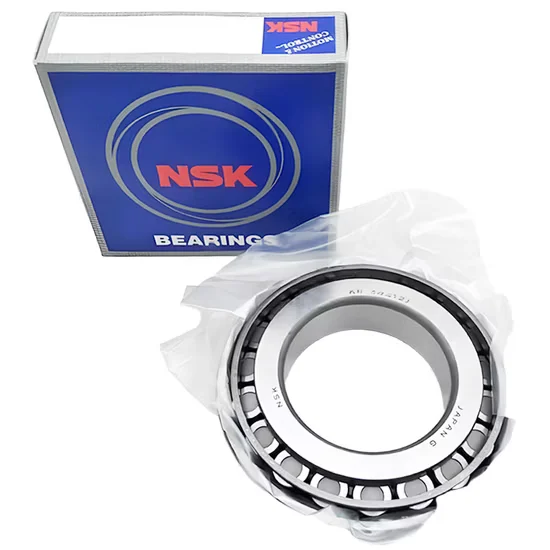 Tapered Roller Bearings Genuine NSK Tapered Roller Bearings 33205 33005 33108 32904 Wholesale Supplier
 Deep Groove Ball Bearings Genuine NSK 6211 Deep Groove Ball Bearing Wholesale Supplier
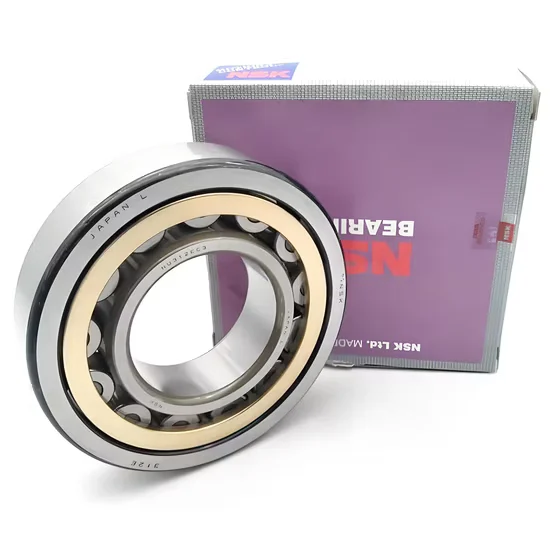 Cylindrical Roller Bearings NSK N2304e Cylindrical Roller Bearing Genuine Original Wholesale Supplier
Target Industries
Any alternative is marked separately on the quote and requires buyer approval.
