

Higher torque ratings do not guarantee precision.
Selecting the right direct drive solution requires prioritizing rotor inertia matching, bearing preload accuracy, and mounting interface rigidity over peak torque specifications alone. System stability in high-precision machine tools is dictated by how well these mechanical integration factors align, not just by the motor’s power output.
I still recall the tension in a Hanover exhibition hall when a German machine tool procurement manager shook his head at an NSK Megatorque display. He recounted a recent project where vibration levels exceeded acceptable limits during test runs, nearly scrapping an entire assembly line. The issue was not the motor itself but a mismatch between the rotor and the cross-roller bearing rigidity. That incident reinforced a critical lesson for anyone sourcing NSK Megatorque vs Other Direct Drives: the devil is in the integration details.
Understanding these nuances separates successful integrations from costly failures. Let us explore why specification sheets often tell only half the story.
Why Torque Ratings Aren’t Enough for Direct Drives?
Torque is a capacity metric, not a stability indicator.
Many engineers assume that a higher torque rating automatically translates to better performance. However, unmatched rotor inertia can induce resonance, undermining the very precision the motor promises. When the inertia ratio between the load and the motor is not optimized, the system becomes prone to oscillation, especially during rapid acceleration or deceleration cycles.
In my experience, I have seen projects stall because the focus remained solely on peak torque. A European automation integrator once struggled with thermal drift during continuous operation. The motor was powerful, but the thermal management design failed to account for heat dissipation through the mounting structure. The result was micron-level positioning errors after hours of runtime. This highlights that NSK Megatorque vs Other Direct Drives comparisons must include thermal efficiency and inertia characteristics, not just force output.
To avoid such pitfalls, calculate the inertia ratio early in the design phase. Ensure the bearing support structure can handle the dynamic loads without deflecting. This holistic approach ensures that the motor’s capability is fully realized in the final application.
NSK Megatorque vs. Competitors: Key Specification Differences
Built-in bearing design and thermal management define long-term reliability.
When evaluating NSK Megatorque vs Other Direct Drives, a detailed specification comparison reveals critical differences in construction. NSK often integrates high-precision bearings directly into the motor housing, which simplifies assembly but demands strict adherence to preload specifications. Competitors may offer separate bearing kits, providing flexibility but increasing the risk of misalignment during installation.
| Feature | NSK Megatorque Approach | Typical Competitor Approach | Integration Impact |
|---|---|---|---|
| Bearing Design | Integrated high-precision units | Separate or kit-based options | Reduced assembly steps vs. higher alignment risk |
| Thermal Management | Optimized housing heat dissipation | Standard cooling fins | Better sustained accuracy vs. potential thermal drift |
| Mounting Interface | Precision-machined flanges | Standard industrial flanges | Higher initial cost vs. easier sourcing |
| Torque Density | High density in compact form | Variable depending on model | Space-saving design vs. larger footprint |
A semiconductor equipment builder I consulted faced positioning accuracy loss due to mounting interface deflection. By switching to a solution with a more rigid integrated bearing design, they achieved stable micron-level performance. This case underscores that the physical construction of the drive matters as much as its electrical specs. When comparing NSK Megatorque vs Other Direct Drives, look closely at how the manufacturer handles these mechanical interfaces.
Choose the architecture that aligns with your assembly capabilities and precision requirements. Integrated designs reduce variables but require careful handling during installation.
How to Avoid Vibration and Resonance in Integration?
Proper rotor inertia matching and bearing preload are critical.
Vibration is often blamed on the motor, but the root cause frequently lies in improper bearing preload or mounting flatness. If the preload is too light, the bearing may slip under load; if too tight, it generates excessive heat and premature wear. Finding the sweet spot requires precise measurement and adjustment.
During a project with a Middle East steel mill, we observed significant vibration during high-speed machining. After adjusting the bearing preload to match the specific load conditions, the vibration dropped noticeably. This adjustment was guided by the manufacturer’s integration manuals, which specify the exact torque values for preload nuts. Ignoring these guidelines can lead to catastrophic failure.
To ensure stability, verify the rotor inertia ratio against the load. Use laser alignment tools to check mounting flatness. These steps minimize the risk of resonance and extend the service life of the drive. When discussing NSK Megatorque vs Other Direct Drives, emphasize the importance of these calibration steps in your procurement criteria.
What Mounting Interface Details Ensure Long-Term Accuracy?
Machining flatness and bolt torque directly affect runout.
The mounting interface is the foundation of precision. Even minor deviations in flatness can cause runout, leading to accuracy loss over time. Bolt torque must be applied evenly to prevent distortion of the motor housing or the mounting surface.
I once visited a facility where uneven bolt tightening caused a direct drive motor to tilt slightly. Over weeks of operation, this small angle resulted in measurable positioning errors. The fix involved re-machining the mounting surface to stricter tolerances and using a torque wrench to apply uniform pressure. This experience highlights that NSK Megatorque vs Other Direct Drives selection must consider the quality of the mating surfaces.
Ensure that your machining processes meet the required flatness tolerances. Use calibrated torque tools during assembly. These details may seem minor, but they are essential for maintaining the high precision expected from direct drive systems.
Conclusion
Precision comes from integration, not just specifications.
Choosing between NSK Megatorque vs Other Direct Drives requires a deep understanding of mechanical dynamics. Focus on inertia matching, bearing preload, and mounting rigidity to achieve stable, high-performance results. Neglecting these factors can lead to vibration, thermal drift, and accuracy loss, regardless of the motor’s torque rating.
NSK Bearings Mentioned in This Article
Self-Aligning Ball Bearings NSK 2217M Self Aligning Ball Bearing Genuine Wholesale Supplier 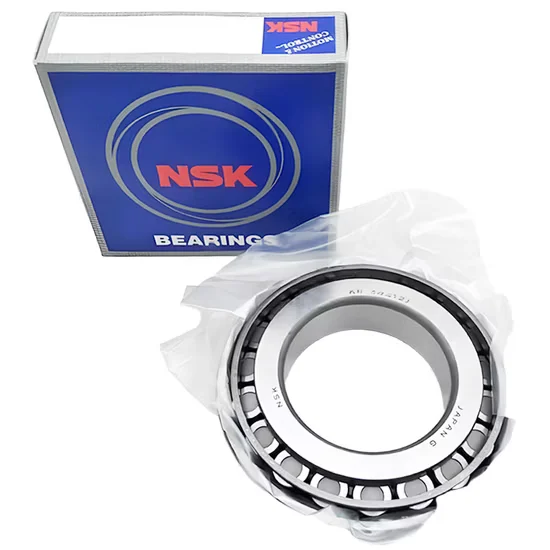 Tapered Roller Bearings Genuine NSK Tapered Roller Bearings 33205 33005 33108 32904 Wholesale Supplier
 Deep Groove Ball Bearings Genuine NSK 6211 Deep Groove Ball Bearing Wholesale Supplier
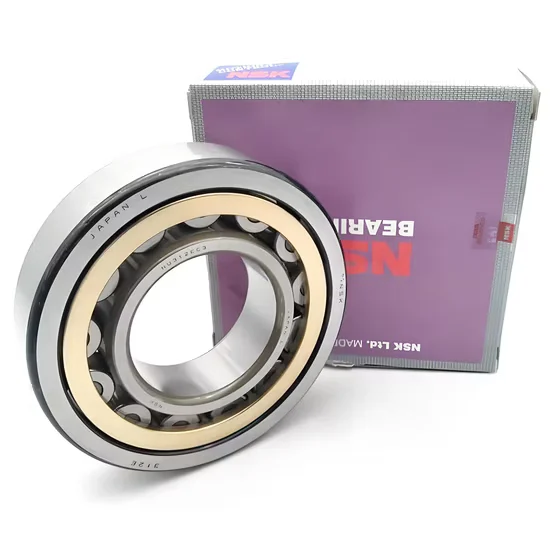 Cylindrical Roller Bearings NSK N2304e Cylindrical Roller Bearing Genuine Original Wholesale Supplier
Target Industries
Any alternative is marked separately on the quote and requires buyer approval.
