
NSK Bearings for Paper Machines: Wholesale Supplier

Most bearing failures in paper mills are not caused by load, but by thermal expansion mismatch.
Selecting the correct NSK bearings for paper machines requires matching the specific thermal and moisture conditions of each machine section. For dryer sections, high-temperature resistant configurations like the TL series are essential to prevent inner ring cracking. For wet ends, sealed or self-lubricating units mitigate corrosion. Verifying genuine sourcing through complete traceability documentation is the only reliable method to ensure these performance characteristics are present, preventing catastrophic unplanned downtime in continuous operations.
I still remember the smell of burnt oil and hot pulp in that mill in Bahia. It was not a subtle failure. The dryer section had stopped cold. The maintenance team pulled a spherical roller bearing from the roller journal, expecting standard wear. Instead, they found the inner ring split cleanly in two. It had not been overloaded. It had been cooked. The client had sourced what they believed were premium components through a local trader who offered a price that seemed too good to be true. Those parts lacked the specific thermal treatment required for the dryer section’s operating environment. When the steel expanded under heat, the internal clearance vanished, leading to immediate seizure and fracture. That incident reinforced a hard lesson I learned early in my career while turning bearing rings in the workshop: in paper production, the right specification means nothing if the physical product does not match the paperwork.
Understanding why this happens requires looking beyond simple load ratings. Paper machines are among the most demanding industrial applications for rotating equipment. They run continuously, often for months without shutdown. The environment shifts drastically from the soaking wet press section to the scorching dry end. A single supply chain error or selection mistake can halt an entire production line, costing far more than the initial savings on a cheaper component. This is where the role of a knowledgeable NSK bearings for paper machines wholesale supplier becomes critical, not just as a vendor, but as a technical filter against counterfeit and misapplied stock.
Why Paper Machines Demand Specialized Bearing Configurations?
The architecture of a modern paper machine dictates strict reliability standards that general industrial bearings cannot always meet. The process involves forming a web of paper from pulp, pressing out water, and then drying it using steam-heated rollers. This creates two distinct hostile environments within a single machine frame.
In the wet end, bearings are exposed to high humidity, water spray, and chemical cleaners. Standard open bearings will corrode rapidly, leading to surface pitting and premature fatigue. Here, the requirement is for robust sealing and corrosion-resistant materials. In contrast, the dryer section presents a thermal challenge. The rollers are heated by internal steam, causing significant expansion. If a bearing is not designed to accommodate this thermal growth, it will preload itself excessively, generating heat until it fails.
This dichotomy means that a one-size-fits-all approach is dangerous. A bearing that performs well in a conveyor system may fail in weeks on a paper machine dryer. The selection process must account for these environmental extremes. Many operators mistakenly assume that a higher load rating alone ensures longevity. However, if the bearing cannot handle the thermal dynamics or the corrosive atmosphere, its load capacity becomes irrelevant. The key is matching the bearing type to the specific zone of the machine. This specialization is why discerning buyers seek out a dedicated NSK bearings for paper machines wholesale supplier who understands these nuances rather than a generalist trader.
How to Select NSK Bearings for Wet and Dry Ends?
Selection begins with identifying the section. For the dryer section, where temperatures can rise significantly, standard spherical roller bearings are prone to failure due to thermal expansion. The NSK TL series is engineered specifically for this scenario. The TL designation refers to a special heat treatment that stabilizes the dimensions of the bearing rings at elevated temperatures. This prevents the internal clearance from closing up as the roller heats up, maintaining smooth rotation and preventing the kind of catastrophic cracking seen in Bahia.
For the wet end, the priority shifts to contamination exclusion. Water and pulp fibers are abrasive and corrosive. Sealed spherical roller bearings or insert bearings with high-grade seals are necessary. These units protect the rolling elements from moisture ingress and maintain lubrication integrity. Some applications benefit from self-lubricating designs that reduce the need for frequent maintenance in hard-to-reach areas.
| Section | Primary Hazard | Recommended Configuration | Key Feature |
|---|---|---|---|
| Dryer End | High Temperature | TL Series Spherical Roller | Thermal stability, expanded clearance |
| Wet End | Moisture/Corrosion | Sealed Spherical/Insert | Robust sealing, corrosion resistance |
| Press Section | Heavy Load/Shock | Standard Spherical Roller | High load capacity, misalignment tolerance |
When evaluating options, verify that the TL series designation is clearly marked on the packaging and the bearing itself. Counterfeit products often mimic the appearance but lack the specialized heat treatment. A reputable NSK bearings for paper machines wholesale supplier will provide technical datasheets confirming these specifications. Do not rely solely on visual inspection. The difference between a standard bearing and a TL series unit is internal and metallurgical, visible only through proper documentation and testing.
What Causes Premature Bearing Failure in Paper Mills?
Failure analysis in paper mills often reveals root causes that are counter-intuitive to those unfamiliar with the process. While mechanical overload is a common suspect, thermal stress and contamination are frequently the true culprits. In the dryer section, the use of non-genuine or incorrectly specified bearings leads to inner ring cracking. As the roller expands, the bearing inner ring is forced to expand with it. If the material is not thermally stable, it develops micro-cracks that propagate quickly under cyclic loading. This is not a gradual wear process; it is a sudden structural failure.
In the wet end, failure usually manifests as corrosion pitting on the raceways. Once the seal is compromised, water enters the bearing, washing away lubricant and introducing abrasive particles. This leads to rapid degradation of the rolling elements. Another common issue is improper lubrication. Over-greasing can be as harmful as under-greasing, causing churning and heat buildup.
A case from a Southeast Asian mill illustrates this. They experienced repeated failures in their press section. Initial investigations pointed to excessive load. However, vibration analysis revealed no abnormal shock loads. Upon disassembly, the bearings showed signs of water contamination despite being in a relatively dry area. The issue was traced to high-pressure washdown procedures that bypassed the seals. Switching to bearings with enhanced sealing capabilities resolved the issue. This highlights the importance of understanding the operational context, not just the mechanical specs. A knowledgeable NSK bearings for paper machines wholesale supplier can help identify these environmental risks during the selection phase.
How to Verify Genuine NSK Bearings in Global Sourcing?
The global market for premium bearings is flooded with counterfeits. These fake products look identical to genuine ones but use inferior steel and lack precise manufacturing tolerances. In a paper mill, a counterfeit bearing is a ticking time bomb. Verifying authenticity is not optional; it is a critical part of procurement.
Traceability is the gold standard. Genuine NSK bearings come with documentation that tracks the product from the manufacturer to the end user. This includes certificates of origin, material test reports, and batch numbers. When sourcing from a NSK bearings for paper machines wholesale supplier, demand these documents. A legitimate supplier will provide them without hesitation. If a supplier cannot provide full traceability, the risk of receiving counterfeit goods is high.
Another verification method is channel validation. Purchase only from authorized distributors or suppliers with a proven track record in the industry. Be wary of prices that are significantly lower than the market average. While cost savings are important, they should not come at the expense of authenticity. The cost of a single unplanned downtime event far exceeds the savings from buying cheap, fake bearings.
I once helped a distributor in the Middle East verify a large shipment. The packaging looked perfect, but the batch numbers did not align with NSK’s global database. We halted the shipment and contacted the manufacturer directly. It turned out the goods were high-quality fakes from an unauthorized source. By catching this before installation, we saved the client from potential months of production loss. This experience underscores the value of working with a supplier who prioritizes verification over quick sales.
Conclusion
Correct selection and verified authenticity are the foundations of reliability in paper machine operations.
The harsh conditions of paper production demand bearings that are specifically engineered for thermal stability and corrosion resistance. General-purpose components will fail prematurely, leading to costly downtime. By choosing the right series for each section and ensuring genuine sourcing through strict traceability, operators can maintain continuous production. Partnering with a knowledgeable NSK bearings for paper machines wholesale supplier ensures that every component meets these rigorous standards.
NSK Bearings Mentioned in This Article
Deep Groove Ball Bearings Genuine NSK 6303-6317 Deep Groove Ball Bearings for Excavators 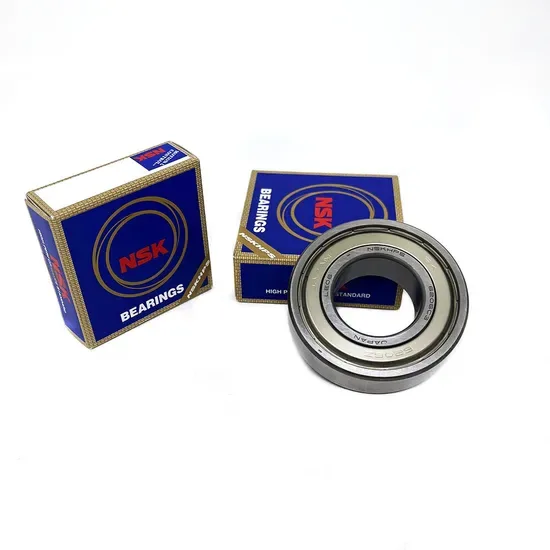 Deep Groove Ball Bearings X&S NSK 6202 6203 6301 Deep Groove Ball Bearings for Auto Parts Deep Groove Ball Bearings NSK High-Temperature Deep Groove Ball Bearing 608zz 6302 6910 6319-2RS Automotive Bearings and Parts NSK Deep Groove Ball Bearing 608 6204 6301 for Electric Motor Automotive
Target Industries
Any alternative is marked separately on the quote and requires buyer approval.