
Japanese Bearing Makers 2026: Genuine NSK NTN KOYO Wholesale Supplier
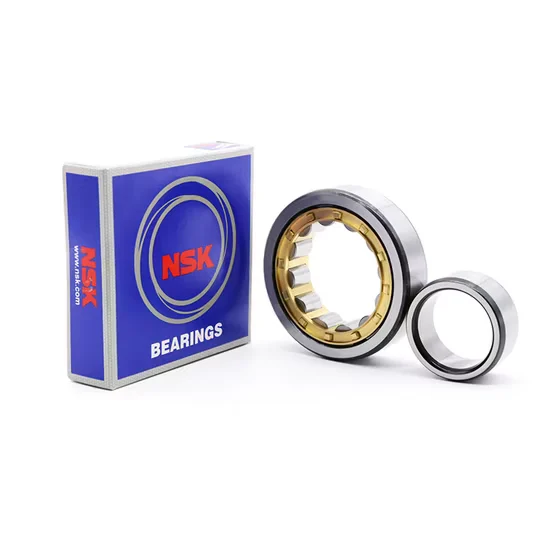
A single missing suffix on a commercial invoice triggers longer customs delays than global price fluctuations.
The 2026 outlook for Japanese bearing makers indicates a decisive shift toward high-precision demand in electric vehicle and automation sectors, making strict customs compliance and document traceability more critical for global buyers than ever before. Sourcing genuine products now requires mastering the administrative details that prevent shipments from being flagged as counterfeits at border crossings.
I learned this the hard way while handling export paperwork in Ningbo. My predecessor once managed a mixed container of deep-groove ball bearings bound for Dubai. The commercial invoice omitted the specific C3 clearance suffixes for the NSK units. Customs officials at Jebel Ali flagged the entire shipment as suspected counterfeits because the part numbers did not match the physical markings exactly. The goods were impounded for weeks. We had to rush original traceability certificates and factory declarations to clear them. The client nearly canceled the order. That mess taught me that selling genuine Japanese bearings is not just about knowing part numbers; it is about mastering the compliance details that keep authentic stock moving smoothly across borders.
This experience reshaped how I view the supply chain. The market is tightening, and the margin for error is disappearing. Buyers who focus solely on unit price often overlook the hidden costs of compliance failures. As we look at the broader landscape, the strategies that worked five years ago are no longer sufficient for the regulatory environment of 2026.
What is the 2026 Market Outlook for Japanese Bearing Makers?
Demand is shifting away from standard commodity bearings toward specialized precision units for electric vehicles and robotics.
The global industrial landscape is undergoing a structural change. Traditional heavy machinery markets remain stable, but the growth engine has moved to sectors requiring micron-level precision. Japanese bearing makers like NSK, NTN, and KOYO are adjusting their production lines to meet this new reality. This shift means that standard inventory is becoming less available for immediate shipment, while lead times for precision grades are extending.
For distributors, this creates a dual challenge. You must maintain stock for legacy equipment maintenance while securing supply for new high-tech projects. The supply chain is no longer linear. It is fragmented. Manufacturers are prioritizing long-term OEM contracts over spot market sales. This leaves independent distributors and wholesalers scrambling for reliable sources of genuine stock.
I have observed that many buyers attempt to bridge this gap by sourcing from unauthorized channels. This is a dangerous strategy. The lack of transparency in these secondary markets makes it difficult to verify authenticity. When a bearing fails in a critical application, the cost of downtime far exceeds the savings from buying cheaper, unverified stock. The 2026 outlook suggests that buyers who establish direct relationships with verified suppliers who hold genuine inventory will have a significant competitive advantage.
The key takeaway is that availability is becoming the primary constraint, not price. Suppliers who can offer consistent access to genuine NSK NTN KOYO wholesale supplier networks will dominate the market. Those who cannot will face increasing pressure from clients who need certainty in their supply chains.
How Do Supply Chain Shifts Impact Global Buyers?
Lead times are fluctuating unpredictably, making flexible consolidation services crucial for maintaining operational continuity.
The traditional model of ordering full containers of a single SKU is becoming obsolete for many distributors. Demand is fragmented. A buyer might need ten units of a specific spherical roller bearing for an urgent repair and two hundred units of a different type for a project. Ordering these separately results in prohibitive shipping costs and complex logistics.
Mixed-container consolidation has emerged as a vital solution. This method allows buyers to combine various brands and sizes into a single shipment. However, it introduces complexity in documentation. Each item must be clearly identified, and the packing list must match the physical cargo exactly. Any discrepancy can lead to customs inspections that delay the entire container.
I recall working with an OEM that required a specific mix of bearings for a new production line. They needed a full container but with dozens of different part numbers. By using a consolidated approach, we reduced their lead time significantly compared to air freighting individual orders. The key was precise planning. Every box was labeled correctly, and the documentation was prepared before the goods left the warehouse. This level of coordination is not standard among all suppliers. It requires a deep understanding of both the product and the logistics process.
For global buyers, the ability to access such consolidation services is a major differentiator. It allows for better inventory management and reduces the capital tied up in stock. Instead of holding large quantities of slow-moving items, buyers can order smaller batches more frequently, knowing that shipping costs remain manageable. This flexibility is essential in a market where demand can change rapidly.
Why is Customs Compliance the Biggest Hidden Risk?
Missing suffixes or typographical errors in customs documents cause severe delays and trigger counterfeit flags, regardless of product authenticity.
Many buyers believe that as long as the bearings are genuine, customs clearance will be smooth. This is a misconception. Customs officials do not inspect the internal quality of a bearing. They inspect the paperwork. If the part number on the invoice does not match the part number on the box, or if a critical suffix is missing, the shipment is suspect.
In regions with high rates of counterfeit goods, such as parts of the Middle East and Southeast Asia, customs authorities are particularly vigilant. A missing C3 suffix, for example, can be interpreted as an attempt to hide the true nature of the goods. This leads to impoundment, fines, and potentially the destruction of the cargo.
The risk is not just theoretical. I have seen shipments delayed for weeks due to a simple typo in a certificate of origin. The cost of these delays includes demurrage charges, storage fees, and lost sales. In some cases, the reputational damage to the distributor is irreversible. Clients lose trust in the supplier’s ability to deliver.
To mitigate this risk, buyers must ensure that their suppliers provide complete and accurate documentation. This includes commercial invoices, packing lists, certificates of origin, and traceability documents. The supplier must verify that all part numbers and suffixes are correct before the goods are shipped. This level of attention to detail is what separates professional suppliers from casual traders.
Compliance is not just about avoiding penalties. It is about ensuring business continuity. A smooth customs process means faster delivery to the end customer and higher satisfaction. In the competitive landscape of 2026, efficiency is a key selling point. Buyers should prioritize suppliers who demonstrate a strong commitment to compliance and documentation accuracy.
How to Ensure Authentic Sourcing and Smooth Clearance?
Mastering traceability documentation and verification protocols prevents costly nightmares and ensures the integrity of the supply chain.
Ensuring authenticity starts with the supplier. A reputable supplier will have direct relationships with manufacturers or authorized distributors. They will be able to provide traceability documents that link each batch of bearings back to the factory. These documents include material certificates, heat treatment records, and quality control reports.
Verification is the next step. Buyers should implement a process for checking incoming goods. This includes visual inspection of packaging, verification of part numbers and suffixes, and random sampling for dimensional checks. If any discrepancies are found, they should be reported immediately to the supplier.
I recommend maintaining a checklist for every shipment. This checklist should include all required documents and verification steps. By following a standardized process, buyers can reduce the risk of errors and ensure that only genuine products enter their inventory. This is especially important for MRO sites operating in counterfeit-prone regions. The ability to produce traceability docs within hours can mean the difference between a quick resolution and a prolonged investigation.
Finally, communication is key. Buyers should maintain open lines of communication with their suppliers. If there are any changes to the order or documentation requirements, they should be discussed promptly. This collaborative approach helps to prevent misunderstandings and ensures that both parties are aligned on expectations.
As a genuine NSK NTN KOYO wholesale supplier, we have integrated these practices into our operations. Our stock is fully traceable, and our documentation is meticulously prepared. We understand the challenges that global buyers face, and we are committed to providing solutions that simplify the sourcing process. By partnering with a supplier who values compliance and authenticity, buyers can focus on their core business without worrying about supply chain disruptions.
Conclusion
Compliance and traceability are now the primary drivers of value in the bearing supply chain.
The 2026 market demands more than just product availability. It requires a partner who understands the complexities of global trade and can navigate the regulatory landscape with precision. By focusing on genuine sourcing, accurate documentation, and flexible logistics, buyers can secure their supply chains and drive their businesses forward. The era of casual trading is over. The future belongs to those who master the details.
NSK Bearings Mentioned in This Article
Cylindrical Roller Bearings Timken NTN NSK Koyo NUP2222EM Cylindrical Roller Bearing Genuine Wholesale  Deep Groove Ball Bearings Genuine NSK 6303-6317 Deep Groove Ball Bearings for Excavators
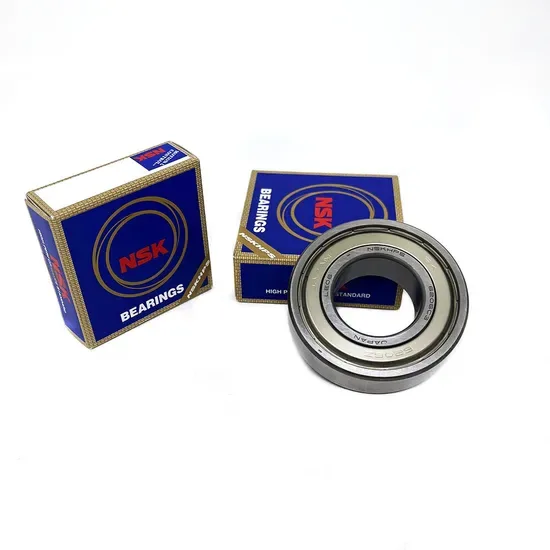 Deep Groove Ball Bearings Genuine NSK Deep Groove Ball Bearing 608 6204 6203 for Small Rotary Motors
 Deep Groove Ball Bearings Genuine NSK 16001 16002 16003 16004 16005 Deep Groove Ball Bearing for Winder
Target Industries
Any alternative is marked separately on the quote and requires buyer approval.
